By: Ousman A. Marong
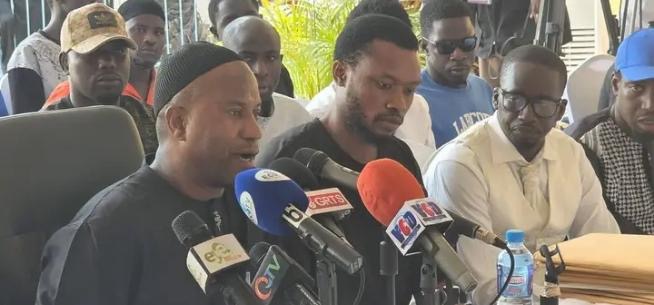
Photo: Bakusa Dukureh, GLP Leader
The leader of The Gambia Labour Party (GLP), Bakusa Dukureh, didn’t show up at the Independent Electoral Commission to be vetted. He showed up and, in the process, exposed himself.
Asked a straightforward question whether he holds both Gambian and American citizenship the Gambia Labour Party leader replied, “Yes.”
Then he was told what the law requires: he would have to renounce his American citizenship to contest the presidency. His response was just as clear: “I am not going to renounce my citizenship anytime, anywhere and anyhow soon.”
With that one exchange, Dukureh spent D1 million to make it clear to the country that he is not eligible to be president.
This isn’t a tragedy. It’s a lesson in what can happen when ambition gets ahead of preparation.
The Law Was Not Hiding
Section 62(2) of the 1997 Constitution is no obscure detail buried in the fine print. It is the first hurdle every presidential aspirant must clear:
A person who holds the citizenship of another country shall not be qualified for election as President.
That same rule prompted Lamin J. Darboe to publicly commit to giving up his British citizenship. It also led Yiramang Darboe to travel to the United Kingdom, learn that the renunciation process takes six months, and withdraw from the race.
They may not have liked the law, but they respected it enough to do their homework.
Dukureh did not.
And the passport wasn’t his only problem. The IEC also listed other outstanding requirements: GRA tax clearance, a signed Code of Election Campaign Ethics, a party sponsorship letter, party colours and symbol, and original certificates. This wasn’t a candidate caught out by a single technicality. He arrived unprepared for the process as a whole.
The Diaspora Dilemma Is Real, But This Is Not How You Fight It
To be fair to Dukureh, his refusal is understandable.
He reportedly spent 26 years in the United States. That American passport isn’t a souvenir; it represents a life he built there—work, family, security, and a fallback if Gambian politics turns against him, as it has for so many others.
Thousands of Gambians in the diaspora feel the same pull. They send remittances, build homes, fund campaigns, and yet the Constitution says they are not Gambian enough to lead the country they help sustain. That’s a legitimate national debate, and it deserves to be taken seriously.
But you don’t win that debate by setting the law aside on nomination day. You change the law first—or make the sacrifice and lead the reform from within.
Dukureh wanted the presidency without making the sacrifice it requires. He wanted to hold on to his Plan B while asking Gambians to trust him with their Plan A: the country.
Honesty Is Not Seriousness
This election season, we’ve mistaken sincerity for seriousness. Dukureh was sincere. He didn’t lie, forge a renunciation certificate, or pretend otherwise.
But sincerity without preparation amounts to little more than a press conference.
A serious candidate doesn’t discover the Constitution at the IEC desk. A serious candidate doesn’t pay D1 million only to announce his own ineligibility. A serious candidate knows that leadership begins long before the ballot: with reading the rules, respecting institutions, and doing the difficult, unglamorous work of qualifying.
Dukureh’s moment at the IEC will be remembered—but perhaps not for the reason he hoped. It will be remembered as the day he told Gambia, to its face, that America mattered more to him than the presidency.
And in that, at least, he was honest.
Now the Constitution will make the choice he refused to make.