By: Ousman A. Marong
A quiet stretch of the Mandinaring-Makumbaya Highway has become a temporary hiding place for “would-be migrants.” Dozens of people, mostly from Senegal, Guinea and Mali, are reportedly sheltering in a swamp near the Mandinaring River, behind the area’s cashew farmland.
Hidden from the main road by thick vegetation, the site appears to be offering temporary shelter to people believed to be preparing for irregular migration journeys.
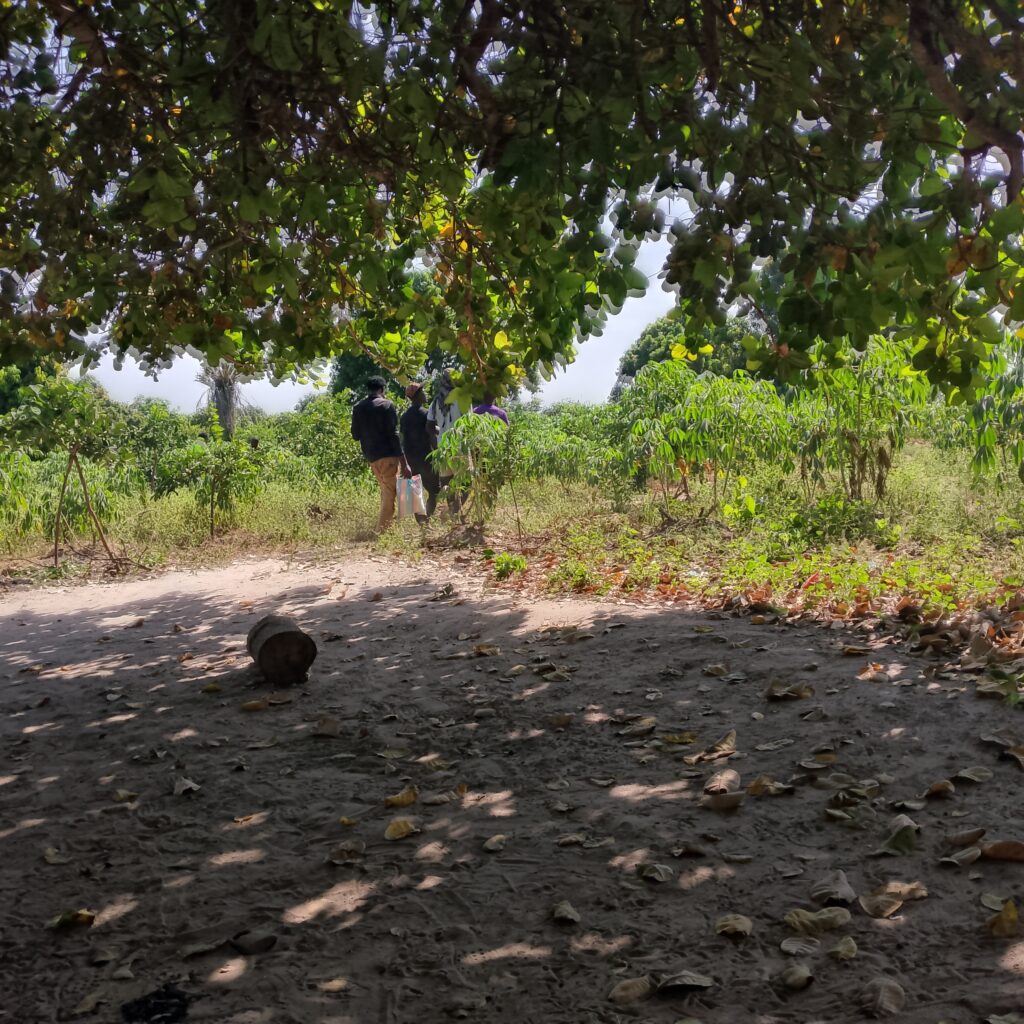
A visit by this reporter confirmed that “would-be migrants” were staying in the secluded swamp, close to the river.
Those reportedly sheltering there include Senegalese, Guinean and Malian nationals, as well as five Gambians. The group also includes a three-year-old child, raising concerns about the risks faced by minors caught up in irregular migration arrangements.
The presence of such a young child at a site reportedly used as a staging point adds to those concerns, especially given the dangers of irregular migration journeys.
The location offers a degree of concealment. Tucked behind cashew farmland and surrounded by the Mandinaring River swamp, it is largely out of sight of everyday activity along the highway.
The situation raises questions about how the site is being used to house prospective migrants, who may be facilitating their stay, and whether the relevant authorities know what is happening there.
It also points to wider migration challenges in The Gambia and across the region, where people from different West African countries continue to pursue dangerous journeys in search of better prospects.
With Gambian nationals reportedly among those sheltering at the site, the situation deserves the attention of the relevant authorities. The presence of vulnerable individuals—and especially a three-year-old child—makes their protection a particular concern.
It remains unclear how the migrants came to be at the site, how long they have been staying there, who is providing them with accommodation, or whether plans have been made for their onward travel.
Migration, security and child-protection authorities may need to establish what is happening and ensure that everyone involved, particularly the child, is safeguarded from possible exploitation and the risks associated with irregular migration.
The situation in Mandinaring is a reminder that irregular migration is not only about people who eventually undertake dangerous journeys. It can also involve the networks, temporary shelters and arrangements that form before departure.
What the law says
Under Sections 31 and 32 of the Immigration Act 1965, anyone found guilty of helping someone enter or leave The Gambia illegally can be fined up to D2,000, jailed for up to one year, or both.
What people are saying
Many Gambians, however, say the penalties are too lenient and could encourage smugglers to keep trafficking migrants.
Right of reply
At the time of publication, Roots Online Media had been unable to reach the Alkalo ( Village Head), of Mandinaring for comment.
Roots Online also sought comment from the Gambia Immigration Department (GID), but had not received a response by press time.